
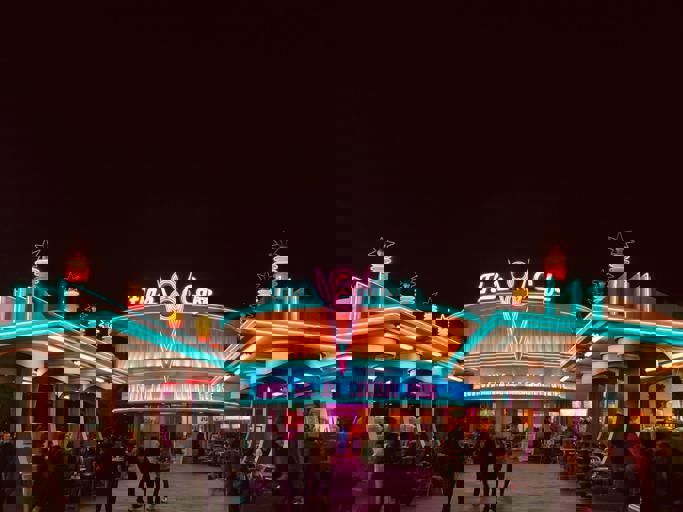
Once a silent monument to industrial history, a shuttered factory on the city’s fringe has found unexpected new life. This month, its hollow shell is echoing with laughter, clinking glasses, and the rhythmic sizzle of pans. Local culinary innovators have transformed the derelict space into a pop-up dining destination, inviting adventurous foodies to experience experimental cuisine in a setting steeped in urban nostalgia and excitement.
The ambitious project is spearheaded by a collective of chefs known for pushing boundaries in the Canadian food scene. Michael Tran, one of the lead organizers, describes the venture as a “collision of heritage and creativity.” He explains, "We wanted to create something fleeting but unforgettable—a space where the history of the factory becomes part of the meal itself." The buzz around this bold endeavor is palpable among city dwellers and gastronomes alike.
Diners who manage to secure a reservation can expect a five-course tasting menu that changes weekly. Each meal showcases locally sourced ingredients—many foraged or procured from nearby urban farms—transformed with cutting-edge techniques. From fermented carrot amuse-bouches to smoked venison with spruce tip jus, the menu highlights not just innovation, but also a deep respect for seasonality and region. Every dish comes with a backstory and a nod to the location’s past.
A standout feature of the pop-up dining experience is its commitment to sustainability. Repurposed factory equipment serves as décor, and worn conveyor belts have been converted into banquettes. Lighting is soft and moody, with reclaimed metal lanterns suspended from rafters over communal tables. Event coordinator Farah Singh notes, “We’re making a statement about waste—by reusing the factory’s materials, we honor its legacy rather than erasing it.”
The event has also introduced collaborative opportunities for chefs from diverse backgrounds. Each night, a guest chef takes over the kitchen, lending their own flair to the menu and engaging with guests. This spirit of collaboration echoes the multicultural makeup of the Canadian food landscape. Chef Amarjeet Gill, visiting from Vancouver, enthusiastically describes the venture as “the ultimate creative playground” for culinary professionals.
Guests are required to purchase tickets well in advance, with the pop-up limited to just 40 diners per night. The exclusivity adds to the anticipation and the atmosphere of discovery, as tables are often filled by strangers who become fast friends over the evening's meticulously crafted courses. By limiting the run to only one month, organizers aim to preserve the event’s mystique and excitement, ensuring each night remains unique.
The location itself plays a starring role in the overall experience. Exposed brick walls bearing faded company insignia, pipes twisting overhead, and high factory windows come together to create an immersive dining environment. The faint scent of machine oil lingers, mingling with aromas from the kitchen. Many guests describe the feeling as "mysteriously inviting," blending elements of the city’s working-class heritage with a modern epicurean spirit.
Food critics and influencers have been quick to laud the pop-up’s bold culinary vision. Local food blogger Jeanine Lau called her meal "revelatory," highlighting the clever use of foraged ingredients and the sense of theater provided by the industrial setting. Meanwhile, The Canadian Culinary Review praised the initiative as "a testament to the enduring creativity at the heart of the country’s contemporary dining scene."
Beyond the table, the project also invests in the community by donating a portion of proceeds to neighborhood food banks. Organizers are working with local youth programs to offer culinary workshops within the temporary restaurant, providing hands-on experiences that aim to inspire the next generation of chefs. This dual focus on entertainment and social good has won the initiative many fans across the city.
As the final days approach, the sense of anticipation grows. Regular attendees and industry insiders speculate on which chef will close out the series and what innovative dishes might make their debut. Tickets for the concluding nights have become highly sought after, with waiting lists that stretch for weeks. This fervor speaks to both the appetite for experiential dining and the power of a fleeting, well-executed concept.
Once the pop-up concludes, the factory is slated for redevelopment, likely to become condominiums or retail space. For now, however, its brief transformation into a culinary hotspot will linger in memory—a celebration of ingenuity, community, and the ever-evolving Canadian palate. Many hope that its legacy will inspire future projects making creative use of the city’s overlooked spaces, bringing new flavors to old walls.