
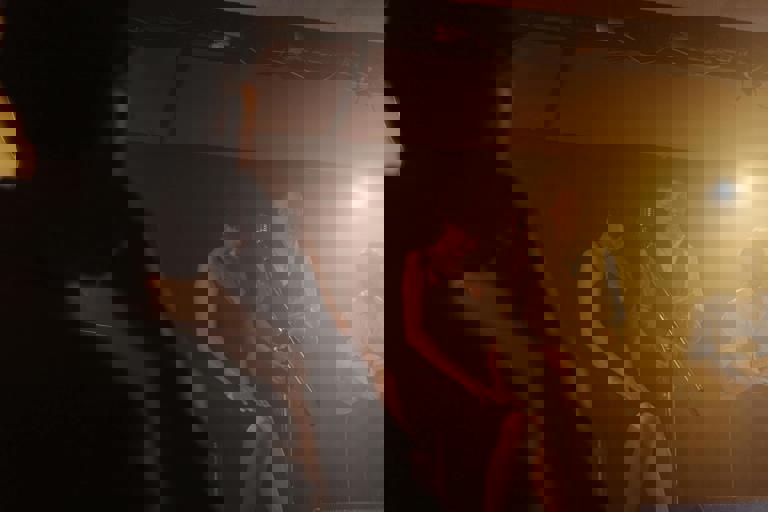
In the heart of the city, beneath the hum of familiar streets, a unique phenomenon has been quietly pulsing to life. Jazz aficionados and music lovers are quietly buzzing about underground jazz nights held in an unmarked basement, where the only pointer to its existence is a faint glow beneath an unnamed doorway. This emerging scene thrives on word-of-mouth, inviting those in the know to evenings shrouded in secrecy and improvisation.
Attending one of these clandestine gatherings is no simple feat. Prospective guests must first be vouched for by someone who is already part of the club’s elusive circle. Invitations are issued sparingly, often exchanged via cryptic text messages just hours before the event kicks off. “It’s about keeping the vibe intimate and respecting the musicians,” shared an attendee who spoke under the promise of anonymity.
Upon descending into the hidden venue, visitors are met with a wholly transformed space. Dim lighting and mismatched chairs give way to a makeshift stage, often illuminated only by a single lamp. The ambiance is electric yet respectful, with an unspoken rule that phones remain pocketed and conversations hush when the music begins. This environment, enthusiasts believe, preserves the raw essence of live jazz.
Musicians who grace the stage are themselves part of the allure. Many are seasoned artists from established jazz clubs, while others are prodigious newcomers eager to cut their teeth. The lineup is spontaneously curated, frequently only confirmed minutes before the first set. This unpredictability ensures that no two nights are ever the same, fostering a creative energy unique to the underground.
The audience, a diverse mixture of long-time jazz followers and newcomers, comes for more than just the music. The collective anticipation, the thrill of exclusivity, and the commitment to the art form breed an unmistakable camaraderie among those present. "You’re not just witnessing a performance—you become part of a tradition,” declared Lena Cho, a jazz devotee and repeat attendee.
Though the underground nature of the club might suggest otherwise, the organizers take meticulous care to keep each event safe and enjoyable. With capacity limited to around 60 people, the space never feels crowded. Strict guidelines are enforced to ensure respect for performers and fellow listeners. Security and safety protocols remain a priority, a testament to the organizers’ professionalism despite the secrecy.
This scene has also become a haven for musical experimentation. Without the constraints of larger venues or commercial expectations, artists are free to reinterpret classic standards, debut bold originals, or call impromptu collaborations. The result is an environment vibrating with spontaneity and a palpable connection between musician and listener. "You feel the music evolving right in front of you,” said trumpeter Amir Hassan.
Cultural critics and sociologists note the broader significance of spaces like these. Dr. Priya Mistry, a professor of musicology, points out, “Secret jazz nights like this echo the tradition of speakeasies, bringing communities together around creative expression while challenging conventional gatekeeping in the arts.” She adds that these events challenge the mainstream, offering a platform for marginalized voices and new ideas to flourish.
The impact of these underground jazz nights extends beyond just those who attend. Many believe the success of this club is inspiring a grassroots revival of live, improvisational music in cities across the country. Local jazz record sales and instrument rentals have seen upticks, hinting at renewed public curiosity and support for jazz’s next generation of stars.
For now, the unmarked basement remains a closely guarded treasure, fiercely protected by its community. Those who manage to find their way inside embrace the uncertainty and exclusivity, coming not only for the music but for an experience that feels entirely their own. As word continues to spread, the nights glow bright in the city’s cultural imagination—proof that even in a digital age, the heart of jazz still beats below the surface.