
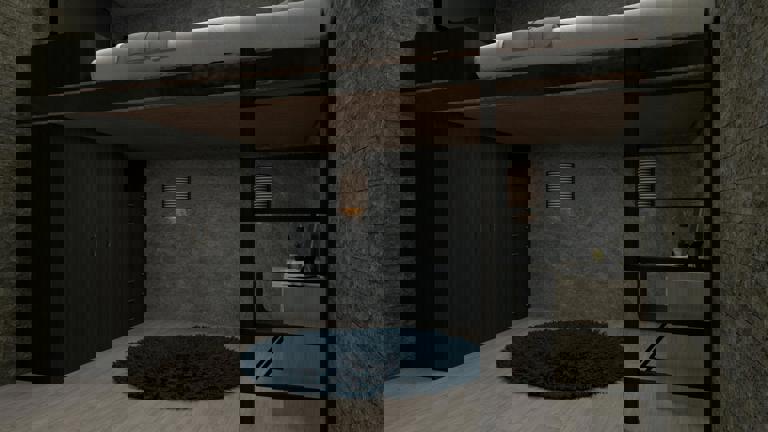
Across major cities, young professionals are increasingly drawn to minimalist living spaces, captivated by the allure of reduced clutter and lower expenses. The appeal of micro-apartments has soared, as singles and couples opt for smaller, more efficient homes. Rising urban rents, shifting values, and the desire for lifestyle flexibility are major factors fueling this trend. The movement points towards a cultural shift that prizes experiences over possessions, transforming the way people live and interact with their environments.
Micro-apartments typically range in size from 200 to 400 square feet, with innovative designs that maximize every inch. To accommodate modern lifestyles, these compact units often feature multifunctional furniture, built-in storage solutions, and open floor plans. Interior designers have noticed a surge in demand for creative space-saving solutions. “Minimalist spaces force us to consider what truly matters and eliminate the rest,” notes interior architect Lisa Huang, underscoring the intentional aspect of this living style.
For many, affordability stands at the forefront of the minimalist movement. According to the Canada Mortgage and Housing Corporation, average rents in major cities have risen steadily over the past decade. Young professionals seeking to balance career ambitions with personal well-being find that smaller apartments allow them to live in vibrant urban centers without being financially overburdened. This trade-off between space and location increasingly drives housing decisions among millennials and Gen Z.
In addition to cost savings, there are psychological benefits associated with smaller living spaces. Psychologist Dr. Mark Leung observes, “Minimalist environments can reduce anxiety and stress, as they promote order and discourage hoarding.” Many individuals report feeling a sense of freedom from reducing their belongings to only essentials. The process of decluttering can also foster mindfulness, as people become more intentional about their purchases and daily routines.
Technology plays a key role in facilitating minimalist living. With streaming services, cloud storage, and compact multipurpose devices, fewer physical items are needed to enjoy entertainment or work from home. Smart home solutions—such as digital assistants and automated lighting—are now commonplace in micro-apartments. This tech integration makes day-to-day living more efficient, helping residents do more with less physical space.
Environmental consciousness has also propelled the minimalist trend. As awareness of sustainability issues grows, many young adults seek to lessen their ecological footprints. Smaller homes require less energy to heat, cool, and power, resulting in lower utility bills and reduced carbon emissions. “Downsizing aligns with sustainability,” says environmental researcher Sophie Tran. “Living with less means consuming less, which benefits both individuals and the planet.”
Furniture retailers and developers are responding to this changing demand with innovative offerings. Modular furniture that transforms—from sofas to beds, or tables to storage units—has become especially popular. New apartment complexes often include communal amenities, such as shared kitchens, lounges, and laundry facilities, allowing residents to enjoy social spaces that extend beyond their own front doors. These developments reflect a broader shift toward collaborative urban living.
Lifestyle changes are also apparent in how minimalists prioritize experiences over possessions. Many young professionals allocate their budgets toward travel, dining, or creative hobbies rather than accumulating material goods. Social media influencers and minimalist bloggers advocate for this mindset, encouraging followers to document travels or skills learned instead of shopping hauls. This digital community reinforces minimalist values and supports those navigating the transition to smaller spaces.
The minimalist living movement is redefining notions of success and achievement. Instead of measuring status by property size or luxury items, more people equate fulfillment with flexibility, mobility, and time. As economist Jenna Patel points out, “Homeownership and large spaces are no longer the primary markers of stability for younger generations. Priorities are shifting toward life satisfaction, adaptability, and freedom.” This evolution marks a significant cultural departure from previous generations.
However, minimalist living is not without its challenges. Limited space may be difficult for couples or those with hobbies requiring equipment or supplies. Hosting overnight guests or storing seasonal items can require creative solutions or the use of off-site lockers. There is also an emotional adjustment period, as parting with sentimental belongings can be difficult. Support networks and minimalist communities often help ease this transition by sharing advice and encouragement.
The popularity of minimalist living has sparked new discussions around urban planning and housing policy. Advocates call for zoning changes to permit more micro-apartments in dense city centers. Some cities are reimagining the use of vacant commercial buildings as residential spaces. Policies encouraging flexible housing options could make urban living more accessible to a broader demographic, especially as remote work shrinks the need for large home offices.
Retail trends are adapting as well, with a noticeable shift toward quality over quantity. Minimalist consumers demand durable, timeless products that serve multiple functions, favoring brands with clear sustainability commitments. The retail sector has responded by shrinking product lines, focusing on essentials, and offering repair or recycling programs. This retail transformation further illustrates how minimalist living is reshaping consumption patterns beyond just the housing market.
Looking ahead, the minimalist movement shows no signs of abating. As housing costs remain high and sustainability becomes more urgent, young professionals will likely continue to drive demand for smaller, smarter living spaces. Futuristic micro-apartments equipped with cutting-edge technology and access to vibrant community amenities could become the urban norm. This ongoing evolution promises to redefine what it means to live well in a rapidly changing world, with implications for cities, industries, and lifestyles alike.