
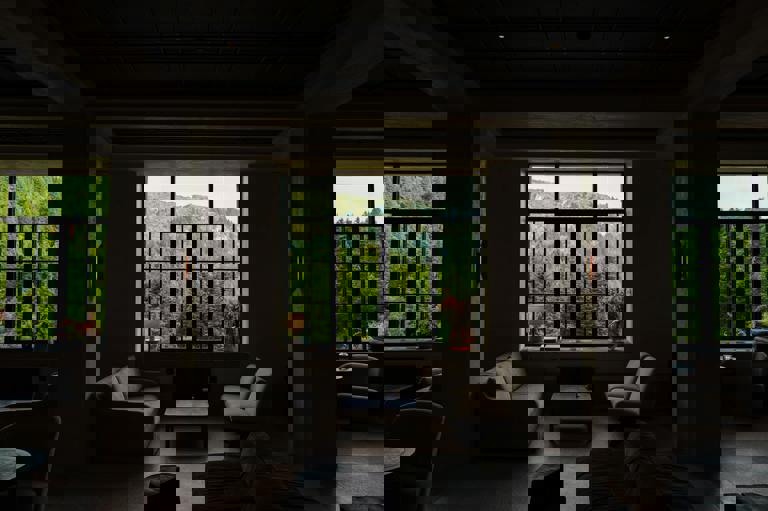
As technology becomes ever more present in our daily lives, a growing number of hotels are offering guests the chance to disconnect completely. These digital detox hotels ban mobile phones, Wi-Fi, and even televisions for weekend retreats, encouraging visitors to embrace tech-free relaxation. The trend is gaining traction among those seeking respite from constant digital notifications and the pressures of the online world, promising a return to mindfulness and genuine connection.
The concept of escaping digital distractions is particularly appealing to professionals who struggle with work-life balance. According to a recent study by Global Wellness Institute, over 80% of working adults feel overwhelmed by digital overload. Digital detox hotels are capitalizing on this, offering carefully curated environments free of screens and connectivity, designed specifically to foster mental clarity and relaxation without technological interruptions.
Guests who check into these retreats often surrender their devices at the front desk upon arrival. From there, the experience is about reclaiming time for themselves through activities like yoga, meditation, nature walks, and creative workshops. According to hotel staff, this approach encourages more meaningful interactions between guests, as well as a deeper appreciation of the present moment, unhindered by smartphones or email alerts.
One such guest, Sarah Martin, described her experience as surprisingly liberating. 'At first, I was anxious about being cut off from my phone, but as the hours passed, I found myself feeling calmer and more present. I slept better than I had in years and had conversations with fellow guests that were truly engaging.' Stories like Sarah's highlight the psychological benefits of temporary disconnection.
By removing technological distractions, these hotels also foster better sleep quality for their guests. Studies from the Sleep Foundation indicate that blue light from screens can disrupt the body's natural sleep rhythm. In digital detox environments, with strict lights-out policies and no late-night notifications, many attendees report falling asleep faster and waking up more refreshed. The retreats often supplement this with relaxing rituals like herbal teas or guided evening meditations.
Another draw for those attending these retreats is the opportunity to reconnect with nature. Many digital detox hotels are located in serene, remote environments — surrounded by forests, lakes, or mountains. This physical distance from urban hustle enhances the healing atmosphere. Activities like forest bathing and guided hikes are staple offerings, with research showing even short periods outdoors can significantly lower stress levels and blood pressure.
Beyond personal wellness, hotel operators note a shift in social dynamics when technology is removed from the equation. Without the fallback of screens, guests are more likely to engage with each other, share stories, and participate in communal activities. This not only enhances the sense of community but also helps to combat feelings of social isolation, a growing concern in the digital age, as reported by numerous mental health organizations.
While some initially balk at the idea of being 'off the grid,' many guests ultimately express gratitude for the experience. Michael Tan, a hospitality consultant, observes, 'People often realize just how much time they usually spend scrolling. After a digital detox weekend, guests report feeling recharged and more in control of their attention.' These positive testimonials often lead to return visits or extensions of the tech-free lifestyle into everyday routines.
Pricing for digital detox retreats varies considerably, but the demand is robust enough that bookings often fill months in advance. Packages may include meals, mindfulness sessions, spa treatments, and guided outdoor excursions. Some luxury hotels have added exclusive services, such as personal wellness coaches or silent dining options, further enticing those eager to invest in mental and physical rejuvenation.
Despite their popularity, skeptics question whether the benefits are sustained once guests return to their plugged-in lives. Some experts, like psychologist Dr. Priya Nair, caution, ‘While short-term breaks from technology are beneficial, lasting change depends on integrating healthier digital habits at home.' Many digital detox hotels now offer workshops on mindful technology use, giving guests practical tools to manage tech overload beyond their stay.
Parents are also expressing interest in digital detox experiences for families. Children and teens, who are increasingly tethered to screens, reportedly benefit from unplugged weekends. Family-focused retreats incorporate games, crafts, and shared meals to strengthen bonds that are often weakened by digital distractions. According to a 2023 report by MediaSmarts, Canadian parents are keen to find structured ways to help kids develop balanced tech habits.
The rise of digital detox hotels reflects a broader cultural movement towards wellness tourism. Industry analysts expect this sector to continue expanding as awareness of digital burnout grows. Resorts and boutique hotels are exploring longer-term programs and customizable packages, aiming to attract professionals, creative artists, and anyone else feeling the pressure of unrelenting connectivity.
For many, the appeal of a digital detox lies not only in escaping technology, but in rediscovering simple pleasures and authentic connections. As more people recognize the toll of constant connectivity, tech-free retreats offer a chance to reset, recalibrate, and return to daily life with improved focus and resilience. In a world where digital distractions are ever-present, these retreats remind us of the enduring value of being present in the moment.